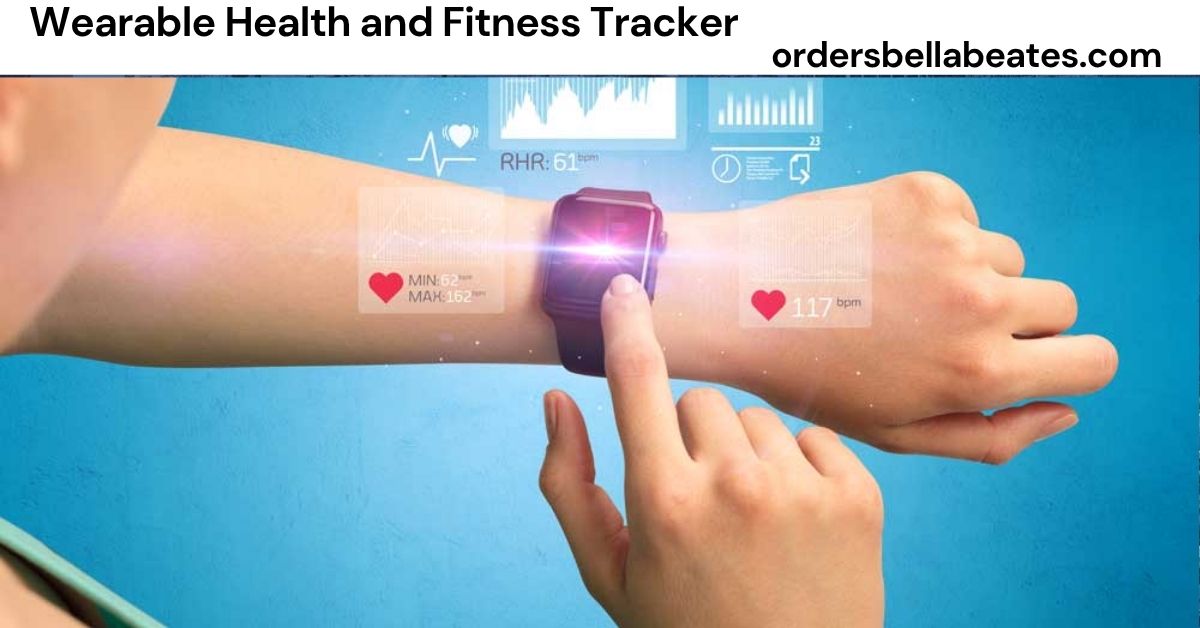
A wearable health and fitness tracker is no longer just a trendy gadget for athletes or gym lovers. Today, millions of Americans use these smart devices every day to improve their health, track activity, sleep better, manage stress, and stay motivated.
From counting steps to checking heart rate and blood oxygen levels, modern wearable devices have changed the way people understand their bodies. They help users make smarter health choices using real-time data and personalized insights.
In 2026, wearable technology has become more advanced, accurate, and easier to use than ever before. Whether someone wants to lose weight, improve fitness, monitor sleep, or manage overall wellness, a wearable health and fitness tracker can provide daily support.
This complete guide explains everything about wearable fitness devices, including how they work, their benefits, important features, top trends, expert insights, and how to choose the best tracker for your lifestyle.
What Is a Wearable Health and Fitness Tracker?
A wearable health and fitness tracker is a smart electronic device designed to collect health and activity information from the body. These devices are usually worn on the wrist like a watch, but some are available as rings, chest straps, smart clothing, or clips.
Most wearable trackers connect to a smartphone app through Bluetooth. The device records health information throughout the day and shows users detailed reports about their physical activity, sleep, heart rate, calories burned, stress levels, and more.
Popular examples include:
- Smartwatches
- Fitness bands
- Smart rings
- GPS running watches
- Heart rate monitors
- Sleep trackers
Modern devices use advanced sensors and artificial intelligence to provide useful health recommendations. Many users now rely on wearable trackers as part of their daily wellness routine.

How Wearable Health and Fitness Trackers Work
Wearable trackers use small sensors and software algorithms to collect and analyze body data.
The most common technologies include:
Motion Sensors
Motion sensors track movement throughout the day. They help measure:
- Steps walked
- Distance traveled
- Calories burned
- Exercise intensity
- Daily activity levels
Optical Heart Rate Sensors
These sensors use light technology to monitor blood flow under the skin. They measure:
- Resting heart rate
- Active heart rate
- Heart rate zones
- Recovery time
GPS Tracking
GPS allows users to track outdoor activities such as:
- Running
- Cycling
- Hiking
- Walking
It also provides pace, route, and distance information.
Sleep Tracking Sensors
Sleep sensors monitor body movement, breathing patterns, and heart rate during sleep. This helps analyze:
- Sleep duration
- Deep sleep
- Light sleep
- REM sleep
- Sleep quality
Blood Oxygen Monitoring
Some wearable trackers can estimate blood oxygen saturation levels, also known as SpO2.
Temperature Sensors
Newer devices include skin temperature monitoring to help users better understand recovery and wellness trends.
Why Wearable Health and Fitness Trackers Are So Popular
The wearable technology market continues to grow because people want simple ways to improve their health.
Several major factors have increased the popularity of wearable fitness devices.
Better Health Awareness
People are now more interested in understanding their bodies and preventing health problems before they become serious.
Convenience
Wearable trackers provide instant health information without visiting a doctor or gym.
Motivation and Accountability
Seeing progress every day helps users stay motivated.
Personalized Insights
Modern trackers provide customized health recommendations based on user data.
Integration With Smartphones
Most wearable trackers work with apps that organize health data into easy-to-read reports.
Focus on Preventive Healthcare
Many healthcare professionals now encourage people to use wearable devices for healthier lifestyles.
Main Benefits of Using a Wearable Health and Fitness Tracker
Using a wearable health and fitness tracker can improve physical health, mental wellness, and daily habits.
Improved Physical Activity
One of the biggest benefits is increased movement.
Also Read: Newsletter on Health and Fitness: The Better Wellness and Healthy Living
Many users walk more steps and exercise more often after wearing a tracker because the device reminds them to stay active.
Better Sleep Habits
Sleep tracking helps users identify poor sleep patterns.
By reviewing sleep reports, users can:
- Sleep earlier
- Reduce screen time
- Improve bedtime routines
- Increase sleep quality
Heart Health Monitoring
Continuous heart monitoring allows users to better understand cardiovascular health.
Some devices can detect irregular heart rhythms and send alerts.
Weight Management
Wearable trackers help users monitor calorie burn and daily activity.
This information can support:
- Weight loss goals
- Muscle building
- Healthy eating habits
- Fitness planning
Stress Management
Many wearable devices now include stress tracking features.
These tools often measure heart rate variability and breathing patterns.
Users can also access guided breathing exercises and mindfulness features.
Increased Motivation
Goal tracking and progress reports help people stay consistent.
Badges, challenges, and reminders make fitness more engaging.
Improved Workout Performance
Fitness enthusiasts use trackers to monitor exercise intensity and recovery.
This helps improve training results while reducing overtraining risks.
Important Features to Look for in a Wearable Health and Fitness Tracker
Not all trackers offer the same features.
Choosing the right device depends on personal goals, budget, and lifestyle.
Heart Rate Monitoring
Accurate heart rate tracking is one of the most important features.
It helps users understand:
- Exercise intensity
- Recovery status
- Resting heart health
Sleep Tracking
Good sleep analysis provides detailed information about nightly recovery.
GPS Functionality
Built-in GPS is useful for runners, cyclists, and outdoor athletes.
Water Resistance
Waterproof devices are ideal for swimming and everyday use.
Battery Life
Battery life varies greatly between devices.
Some smartwatches last one day while advanced fitness trackers can last weeks.
Stress and Recovery Tracking
Advanced wearables monitor recovery, stress levels, and body readiness.
Smartphone Notifications
Many devices allow users to receive:
- Calls
- Text messages
- Emails
- App alerts
Fitness Modes
Look for devices that support multiple workout types.
Health Reports
Easy-to-read health reports improve the user experience.
Comfort and Design
Comfort matters because most people wear these devices all day and night.
Wearable Health and Fitness Tracker vs Smartwatch
Many people confuse fitness trackers with smartwatches.
Although they share similarities, they are different.
Fitness Trackers
Fitness trackers focus mainly on health and activity monitoring.
They usually offer:
- Longer battery life
- Lightweight design
- Lower cost
- Basic smart features
Smartwatches
Smartwatches combine health tracking with smartphone functions.
They often include:
- Apps
- Music storage
- Voice assistants
- Phone calls
- Mobile payments
Some smartwatches also provide advanced fitness tracking.
Best Types of Wearable Health and Fitness Trackers
There are several types of wearable fitness devices available today.
Fitness Bands
Fitness bands are slim and lightweight.
They are ideal for:
- Step tracking
- Sleep monitoring
- Basic workouts
Smartwatches
Smartwatches provide complete health and smart features.
Smart Rings
Smart rings are small wearable devices worn on the finger.
They are becoming popular because of their comfort and sleep tracking abilities.
Chest Straps
Chest straps are often used by athletes for highly accurate heart rate tracking.
Smart Clothing
Some companies now create clothing with built-in sensors.
These products can track body movement and muscle activity.
Whoop 4.0 Wearable Health Fitness and Activity Tracker Continuous Monitoring
One of the most discussed devices in recent years is the whoop 4.0 wearable health fitness and activity tracker continuous monitoring system.
Unlike traditional fitness trackers, Whoop focuses heavily on recovery, strain, sleep, and long-term health optimization.
The device does not have a traditional screen. Instead, it continuously collects body data and sends detailed insights to a smartphone app.
Key features include:
- Continuous heart rate monitoring
- Recovery analysis
- Sleep coaching
- Stress tracking
- Respiratory rate tracking
- Skin temperature monitoring
- Strain measurement
Athletes and fitness enthusiasts often use the whoop 4.0 wearable health fitness and activity tracker continuous monitoring system to improve performance and avoid burnout.
One unique advantage is its focus on recovery rather than just activity.
Instead of only tracking workouts, it helps users understand when the body needs rest.
This approach has become extremely popular among professional athletes and serious fitness users.
How Wearable Trackers Help Prevent Health Problems
Modern wearable trackers are becoming important tools for preventive healthcare.
Many health experts believe wearable technology can help reduce future medical problems.
Early Detection of Heart Issues
Some devices can detect abnormal heart rhythms.
Users may receive alerts if the heart rate becomes unusually high or low.
Sedentary Lifestyle Prevention
Inactivity reminders encourage users to move throughout the day.
Better Stress Awareness
Stress tracking helps users recognize unhealthy stress patterns.
Improved Sleep Health
Poor sleep is linked to many health problems.
Sleep monitoring can encourage healthier bedtime habits.
Encouraging Healthy Habits
Daily goals motivate users to make healthier lifestyle choices.
Wearable Health and Fitness Trackers for Weight Loss
Many people buy wearable fitness trackers for weight management.
These devices help users understand:
- Calories burned
- Activity levels
- Workout consistency
- Daily movement
One major benefit is accountability.
Users can see exactly how active they are each day.
Many people are surprised to discover how little movement they get during busy workdays.
Fitness trackers also help users create realistic goals.
Instead of guessing progress, users can rely on actual data.
Wearable Technology and Mental Health
Mental wellness has become a major focus in wearable technology.
Many modern trackers now include mental health support tools.
Stress Monitoring
Stress tracking helps users identify emotional pressure during the day.
Guided Breathing
Many devices include breathing exercises to help users relax.
Mindfulness Reminders
Some trackers encourage short mental breaks.
Sleep and Mood Connection
Better sleep often improves emotional health.
Wearables help users understand this connection.
The Role of Artificial Intelligence in Wearable Health Trackers
Artificial intelligence is making wearable devices smarter.
AI systems analyze large amounts of user data to provide personalized health insights.
Examples include:
- Workout recommendations
- Recovery suggestions
- Sleep improvement tips
- Personalized activity goals
AI can also help identify patterns humans might miss.
As wearable technology improves, AI will likely become even more important.
Are Wearable Health and Fitness Trackers Accurate?
Accuracy varies depending on the device and feature.
Most modern wearable trackers are reasonably accurate for:
- Step counting
- Heart rate tracking
- Sleep estimation
- Activity monitoring
However, no consumer wearable device is perfect.
Factors affecting accuracy include:
- Device placement
- Skin tone
- Tattoos
- Motion during exercise
- Sensor quality
Medical-grade equipment remains more accurate.
Still, wearable trackers provide useful information for general health awareness.
Common Mistakes People Make With Fitness Trackers
Many users fail to get the full value from their devices.
Obsessing Over Numbers
Health data should guide better habits, not create anxiety.
Ignoring Recovery
Rest and sleep are equally important as workouts.
Wearing the Device Incorrectly
Loose placement can reduce sensor accuracy.
Setting Unrealistic Goals
Small improvements are more sustainable.
Focusing Only on Calories
Overall wellness matters more than calorie counting alone.
Wearable Health and Fitness Tracker Trends in 2026
The wearable technology industry continues to evolve rapidly.
Several important trends are shaping the future.
More Advanced Health Monitoring
Future devices may monitor:
- Blood pressure
- Glucose levels
- Hydration
- Dehydration risks
Smarter AI Coaching
AI-powered coaching will become more personalized.
Better Battery Technology
Battery life continues to improve.
Smaller and More Comfortable Designs
Wearables are becoming lighter and easier to wear.
Integration With Healthcare Providers
Doctors may increasingly use wearable data to support patient care.
Focus on Recovery and Longevity
Users now care more about long-term wellness, recovery, and healthy aging.
How to Choose the Best Wearable Health and Fitness Tracker
Choosing the right device depends on personal needs.
Define Your Goals
Ask yourself:
- Do you want weight loss support?
- Are you training for sports?
- Do you need sleep tracking?
- Do you want stress monitoring?
Consider Battery Life
Long battery life is useful for continuous tracking.
Check App Quality
A good app improves the overall experience.
Compare Accuracy
Read reviews and expert testing.
Think About Comfort
A comfortable device is easier to wear consistently.
Set a Budget
Prices vary from affordable fitness bands to premium smartwatches.
Best Users for Wearable Health and Fitness Trackers
Wearable trackers can benefit almost everyone.
Beginners
New users can build healthier routines.
Athletes
Athletes use wearables for training and recovery.
Busy Professionals
Activity reminders help office workers stay active.
Older Adults
Health monitoring can support healthy aging.
Students
Students can improve sleep and stress management.
Privacy and Security Concerns
Wearable devices collect large amounts of personal health information.
Users should understand how companies handle data.
Important considerations include:
- Data storage
- App permissions
- Privacy settings
- Third-party sharing
Choosing trusted brands with strong privacy policies is important.
Expert Insights About Wearable Technology
The future of wearable technology is not only about fitness.
It is about creating healthier lifestyles through better awareness.
One important insight is that wearable trackers work best when users focus on long-term habits rather than short-term results.
Many people expect instant changes after buying a tracker.
However, the true value comes from consistency.
People who regularly review their data and make small improvements often experience the greatest health benefits.
Another important observation is that recovery and sleep are becoming just as important as exercise.
In the past, fitness culture focused heavily on hard training.
Today, more experts recognize that sleep quality, stress control, and recovery play major roles in overall health.
This shift explains why devices like the whoop 4.0 wearable health fitness and activity tracker continuous monitoring system are gaining popularity.
These devices focus on total wellness rather than only counting workouts.
How Wearable Trackers Are Changing Healthcare
Healthcare providers are beginning to use wearable technology in new ways.
Doctors may review patient activity, sleep, or heart rate information between appointments.
This could improve:
- Chronic disease management
- Preventive healthcare
- Remote patient monitoring
- Early warning detection
Wearable data may also help researchers better understand health patterns across large populations.
Tips for Getting the Most From Your Wearable Tracker
Wear It Consistently
Daily use improves data quality.
Focus on Trends
Long-term trends matter more than single-day numbers.
Use the Sleep Features
Sleep tracking can greatly improve recovery.
Adjust Goals Gradually
Small improvements are easier to maintain.
Review Weekly Reports
Weekly summaries help identify progress and habits.
Balance Data With Real Life
Use wearable information as guidance, not perfection.
The Future of Wearable Health and Fitness Trackers
Wearable technology will likely become even more integrated into everyday life.
Future innovations may include:
- Advanced medical monitoring
- Smarter AI coaching
- Personalized nutrition support
- Improved emotional wellness tools
- Continuous health analysis
As technology improves, wearable trackers may become essential tools for preventive healthcare.
The biggest future shift may involve personalized health recommendations powered by artificial intelligence.
Instead of general fitness advice, users will receive highly customized guidance based on real-time body data.
This could transform how people approach wellness.
Conclusion
A wearable health and fitness tracker is one of the most useful health technologies available today.
These devices help users better understand their bodies, improve fitness, sleep better, manage stress, and create healthier habits.
Modern wearable technology goes far beyond counting steps.
Advanced devices now provide detailed insights into recovery, heart health, sleep quality, stress levels, and overall wellness.
The rise of systems like the whoop 4.0 wearable health fitness and activity tracker continuous monitoring platform shows how the industry is evolving toward smarter health optimization.
The most important benefit of wearable trackers is awareness.
When people understand their daily habits, they are more likely to make positive changes.
Whether someone is a beginner starting a fitness journey or an athlete improving performance, wearable technology can provide valuable support.
As artificial intelligence, sensors, and healthcare integration continue to improve, wearable health and fitness trackers will likely become even more powerful in the years ahead.
Frequently Asked Questions About Wearable Health and Fitness Trackers
Are wearable health and fitness trackers safe to use every day?
Yes. Most wearable trackers are designed for continuous daily use. They use low-energy sensors and wireless technology that are considered safe for general consumers.
Can wearable fitness trackers help improve sleep?
Yes. Sleep tracking features can help users identify unhealthy sleep habits and improve bedtime routines.
Do wearable trackers work without a smartphone?
Some features may work independently, but most wearable devices perform best when connected to a smartphone app.
What is the best wearable health and fitness tracker for beginners?
Beginners usually benefit from simple and comfortable devices with easy-to-read apps and long battery life.
How accurate are calorie tracking features?
Calorie estimates are not perfect but can still provide useful guidance for activity and weight management.
Can wearable trackers detect health problems?
Some devices can identify unusual heart rate patterns or sleep issues, but they should not replace professional medical advice.
Is the whoop 4.0 wearable health fitness and activity tracker continuous monitoring system worth it?
For users focused on recovery, sleep, and performance optimization, it can provide valuable insights. It is especially popular among athletes and serious fitness users.
Do wearable trackers help reduce stress?
Many devices include breathing exercises, mindfulness reminders, and stress monitoring tools that may support relaxation.
How long do wearable fitness trackers last?
Most devices last several years depending on build quality, battery health, and software support.
Can older adults use wearable health trackers?
Yes. Many older adults use wearable devices to monitor activity, heart rate, sleep, and overall wellness.
Are wearable trackers waterproof?
Many devices are water-resistant or waterproof, but protection levels vary by model.
Do wearable devices require subscriptions?
Some devices offer free apps while others provide premium features through paid memberships.
What is the future of wearable health technology?
The future will likely include more advanced medical monitoring, AI-powered coaching, and personalized health recommendations.
Can wearable trackers replace doctor visits?
No. Wearable devices are helpful tools for health awareness, but they are not replacements for professional healthcare providers.
Why do people stop using fitness trackers?
Some users lose motivation over time. Consistent habits and realistic goals help improve long-term use.