Understanding heart attack symptoms and treatment
Recognizing heart attack symptoms and treatment is vital for saving lives and minimizing damage to the heart. Heart attacks, or myocardial infarctions, occur when blood flow to a part of the heart is blocked, often due to plaque buildup in the coronary arteries. Early identification of symptoms and prompt treatment significantly improve outcomes and reduce complications.
Understanding heart attack symptoms and treatment helps individuals respond quickly, seek medical care, and adopt preventive strategies to lower future risks. Awareness of warning signs, risk factors, and treatment options empowers people to take control of their cardiovascular health.
Common Symptoms of a Heart Attack
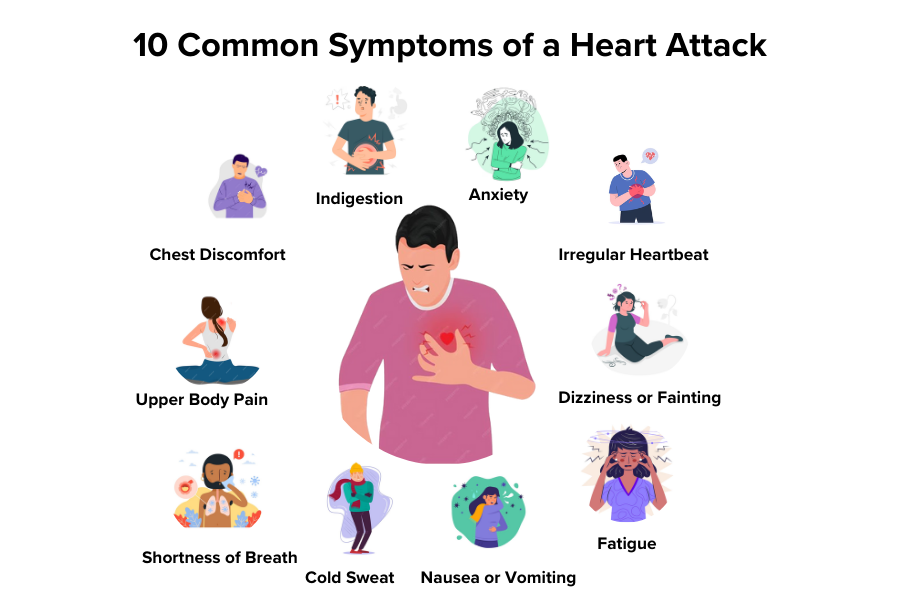
Heart attack symptoms can vary between individuals, but some signs are commonly observed. The most frequent symptom is chest pain or discomfort, often described as pressure, squeezing, or fullness. Pain may radiate to the arm, neck, jaw, or back.
Other symptoms include shortness of breath, nausea, vomiting, lightheadedness, and cold sweats. Women, older adults, and people with diabetes may experience atypical symptoms such as fatigue, indigestion, or anxiety. Recognizing these warning signs is critical for timely intervention.
Risk Factors for Heart Attacks
Several factors increase the likelihood of experiencing a heart attack. High blood pressure, high cholesterol, smoking, diabetes, obesity, sedentary lifestyle, and family history of heart disease are key contributors. Stress, excessive alcohol consumption, and poor dietary habits also elevate risk.
Addressing these risk factors through lifestyle changes, medical management, and regular monitoring is an essential part of understanding heart attack symptoms and treatment.
Immediate Response and Emergency Care
Prompt response is crucial when heart attack symptoms appear. Calling emergency services immediately can save lives. While waiting for medical assistance, staying calm, resting, and taking any prescribed medications, such as nitroglycerin, can help stabilize the condition.
Time is critical; every minute counts to restore blood flow and minimize heart muscle damage. Emergency medical teams provide life-saving interventions, including oxygen, medications, and advanced monitoring.
Diagnostic Tests
Upon arrival at a hospital, healthcare providers use several diagnostic tests to confirm a heart attack. Electrocardiograms (ECG) monitor heart rhythm and detect abnormalities. Blood tests measure cardiac enzymes that indicate heart muscle damage. Imaging tests, such as echocardiograms or angiograms, assess heart function and identify blocked arteries.
Accurate and timely diagnosis guides the most effective treatment and prevents further complications.
Treatment Options
Treatment for a heart attack aims to restore blood flow and prevent additional damage. Medications such as thrombolytics dissolve clots, while antiplatelet drugs prevent further clot formation. Pain relievers, beta-blockers, ACE inhibitors, and statins may also be prescribed.
In some cases, procedures like angioplasty and stent placement or coronary artery bypass surgery are necessary to restore circulation and reduce the risk of future attacks. Understanding heart attack symptoms and treatment ensures patients receive appropriate care.
Lifestyle Modifications Post-Attack
After a heart attack, adopting heart-healthy lifestyle changes is critical to prevent recurrence. Regular exercise, a balanced diet low in saturated fats and sodium, quitting smoking, and stress management are essential.
Monitoring blood pressure, cholesterol, and blood sugar levels helps manage risk factors. Cardiac rehabilitation programs provide structured guidance, education, and support for patients recovering from a heart attack.
Mental Health Considerations
Experiencing a heart attack can affect mental health, leading to anxiety, depression, or fear of recurrence. Addressing mental well-being is a key component of heart attack symptoms and treatment. Counseling, support groups, and mindfulness techniques aid recovery and promote emotional resilience.
Managing stress and maintaining a positive outlook contribute to overall heart health and improve long-term outcomes.
Prevention and Risk Reduction
Preventing heart attacks involves controlling risk factors and maintaining cardiovascular fitness. Regular medical checkups, blood pressure monitoring, cholesterol management, and lifestyle choices such as proper nutrition and exercise are critical.
Education about heart attack symptoms and treatment empowers individuals to recognize early warning signs, respond effectively, and adopt preventive strategies for lifelong heart health.
Long-Term Management
Managing health after a heart attack requires consistent follow-up care, adherence to medications, and regular monitoring. Patients must be vigilant about lifestyle habits, avoid triggers, and stay informed about new developments in cardiovascular care.
Long-term management ensures reduced risk of complications, improved heart function, and a higher quality of life.
FAQs About heart attack symptoms and treatment
What are the early signs of a heart attack?
Chest pain or pressure, shortness of breath, nausea, dizziness, and cold sweats are common early signs.
Do women experience different symptoms than men?
Yes, women may have fatigue, indigestion, anxiety, or atypical chest discomfort.
What should I do if I suspect a heart attack?
Call emergency services immediately and follow any prescribed medications while waiting for help.
Can lifestyle changes prevent heart attacks?
Yes, maintaining a healthy diet, regular exercise, avoiding smoking, and managing stress reduce risk.
What treatments are available for heart attacks?
Medications, angioplasty with stent placement, and coronary bypass surgery are common treatments.
Is cardiac rehabilitation necessary after a heart attack?
Yes, rehab programs provide education, support, and structured exercise for recovery.
How quickly should treatment be administered?
Immediate treatment is critical; earlier intervention minimizes heart damage and improves survival.
Can stress trigger a heart attack?
Chronic stress may increase blood pressure and contribute to heart disease risk.
How can I monitor my heart health after a heart attack?
Regular checkups, blood tests, ECGs, and lifestyle tracking help monitor recovery.
Are heart attacks preventable?
Many heart attacks are preventable through risk factor management, early detection, and heart-healthy habits.